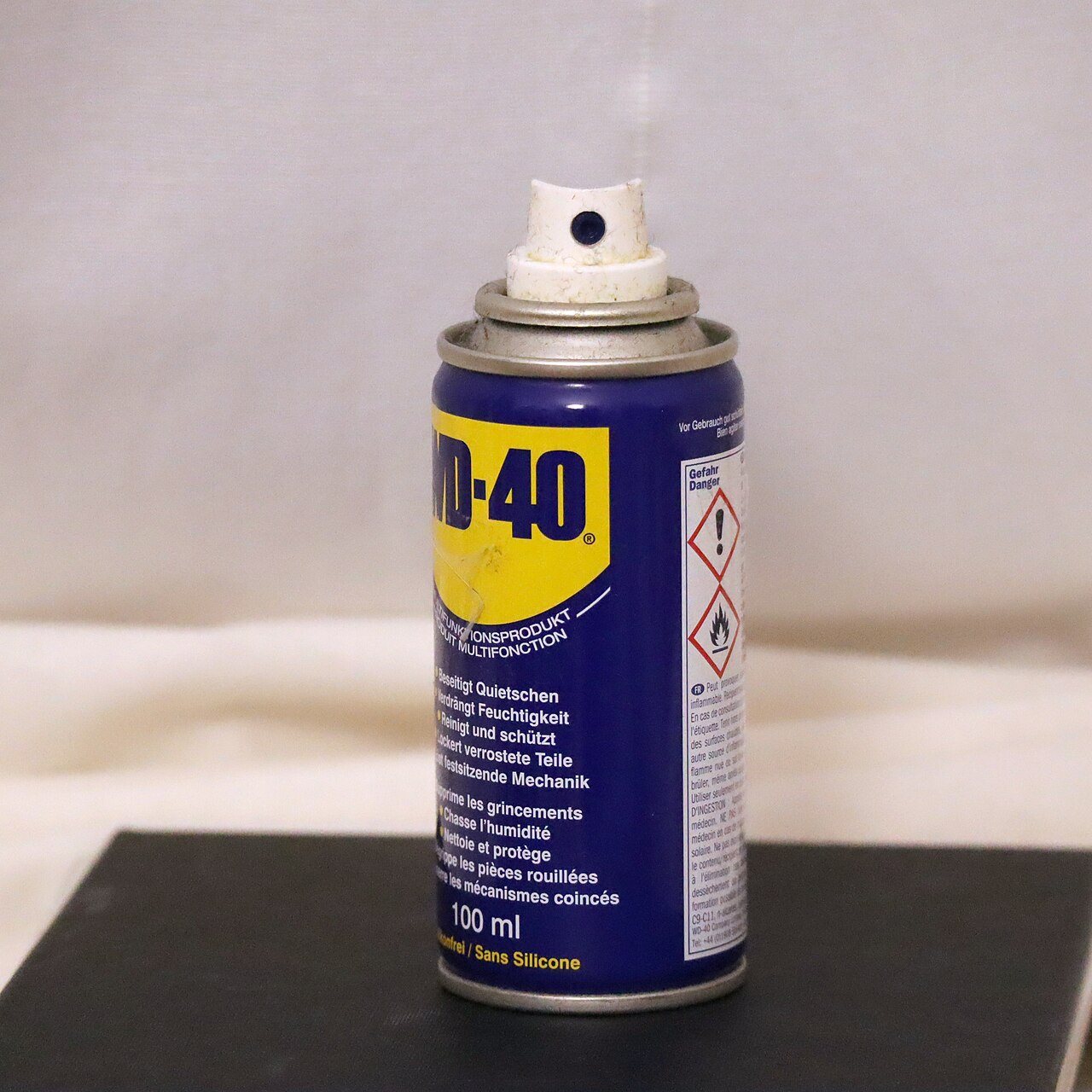
In 1953 a small company in San Diego called the Rocket Chemical Company was trying to make a product that would keep moisture, and therefore rust, off metal. It had a handful of staff and one chemist, Norm Larsen, working through formulas. According to the company's own history, the 40th attempt was the one that worked.
They named it after the job and the attempt number, Water Displacement, 40th formula, which got shortened to WD-40 on the can.
Its first big customer was Convair, which used it to protect the outer skin of the Atlas missile from corrosion. The story the company tells is that employees started sneaking cans home for their own use, and by 1958 WD-40 was on sale in aerosol cans in San Diego shops. The Rocket Chemical Company eventually renamed itself after the product, which tells you how the missile business compared.
Why a rust spray ended up fixing squeaky doors
WD-40 is a blend of light petroleum-based solvents and oils with a propellant to push it out of the can. The exact recipe is a trade secret, and the company has said it never patented it, because a patent would have meant publishing it.
The useful properties follow from that blend. It is very thin and spreads easily, so it creeps into tight gaps, like the threads of a rusted bolt or the knuckle of a hinge. It gets underneath water on a metal surface and pushes it aside, which was the whole point for the missile. The solvents dissolve grease, grime and a lot of sticky adhesives. Once they evaporate, they leave a thin oily film behind that gives some short-term lubrication and rust protection.
That combination is why it gets used for so much. The company has long published a list of more than 2,000 uses sent in by customers, and some of them are, let's say, creative.
Jobs where WD-40 really helps
Stuck bolts and screws are the classic. Spray the threads, give it 10 to 15 minutes to work its way in, and try again. Tapping the bolt head lightly with a hammer can help the liquid travel down the threads.
Sticker and label residue usually comes off with a light spray and a cloth. It works on glass and most metal, and on many hard plastics, though see the note on plastics below.
It's handy for a squeaky hinge as a quick fix, and for loosening a sticky drawer runner or a garden tool that has been sitting outside. Wiping down metal tools before storing them for winter gives them a thin protective coat against damp.
Crayon on a painted wall or on some hard surfaces is another job people swear by. The solvents soften the wax so it wipes off. Test a hidden patch first, because some paints and finishes don't like solvents.
Where it is the wrong can
Most of WD-40's thin film evaporates or wears away fairly quickly, so it is not a long-term lubricant for parts that work hard. A bike chain, for instance, needs a proper chain lubricant. If you spray WD-40 on a chain it will clean it nicely and then leave it nearly dry within a few rides. (The company now sells separate specialist lubricants, which is a fairly honest admission of the same thing.)
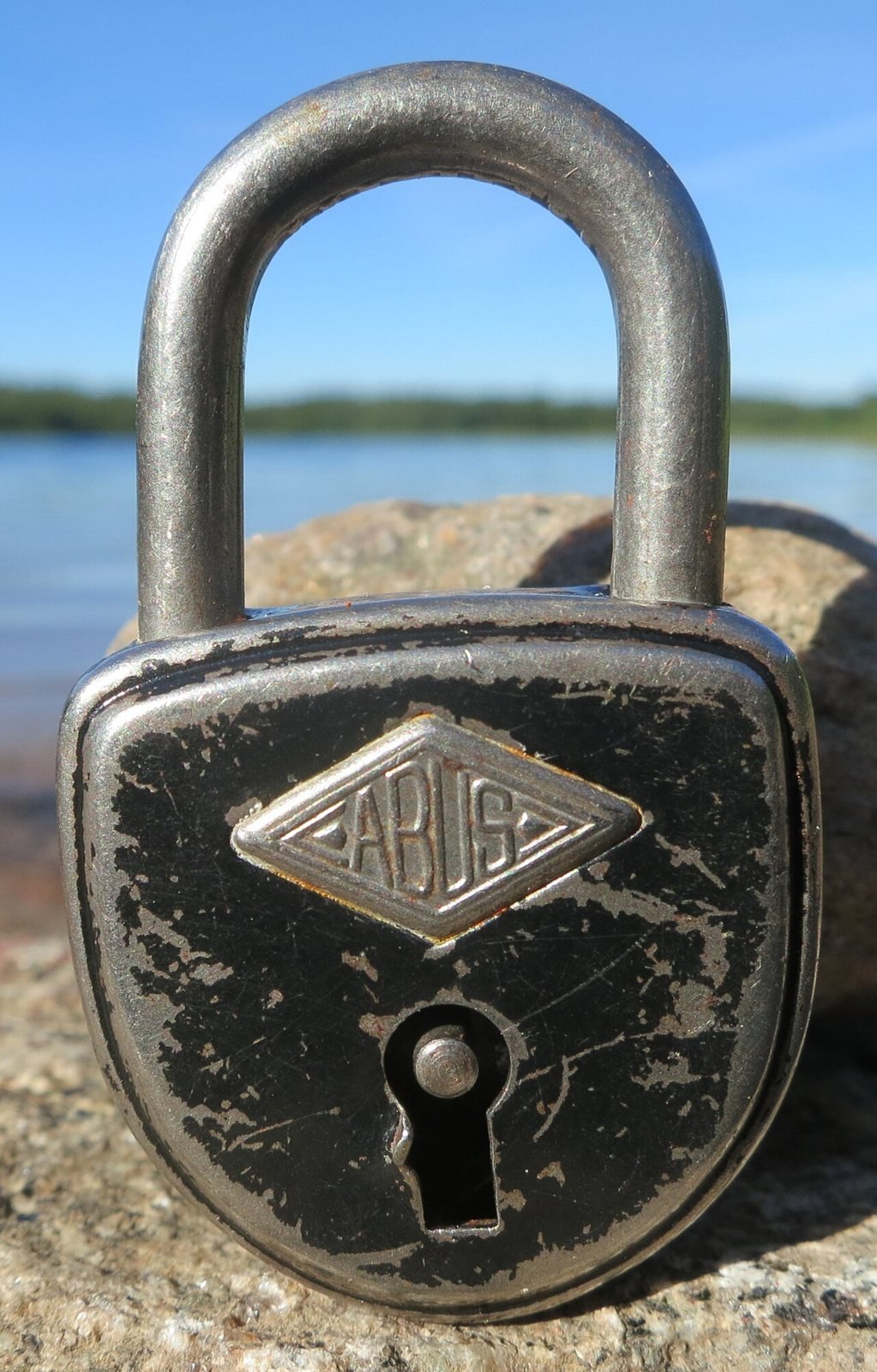
Locks are another one. Many locksmiths and lock makers recommend a dry lubricant such as graphite or a PTFE spray, because an oily film can attract dust and grit that gums up the pins over time. A one-off spray to free a frozen padlock is fine, as long as it doesn't become the routine.
Keep it well away from brakes, including bike disc brakes and rim brake surfaces, where any oil reduces stopping power. WD-40's own guidance also says to avoid using it on polycarbonate and clear polystyrene plastics, which can be damaged.
The myths worth ignoring
WD-40 does not contain fish oil, despite a rumour that has circulated for decades. The company has said so directly.
The other persistent claim is that it eases joint pain if you rub it on. It is not meant for use on the body and the company does not recommend it, so leave the can in the garage where it belongs.
Safety notes before you spray
WD-40 is flammable, and the aerosol is under pressure. Use it in a ventilated space and never near a flame, a pilot light or a hot surface. Don't spray it on anything electrical while it is plugged in or switched on.
Avoid getting it in your eyes or on your skin for long periods, and wash your hands after using it. Keep it away from anything that touches food. Store the can away from heat, and out of reach of children.
A quick rule of thumb
If the job is to loosen, clean, or chase out water, WD-40 is usually a good first choice. If the job is to keep something moving smoothly for months, reach for a lubricant made for that part. Most of the disappointment people have with WD-40 comes from asking it to do the second job (which is a bit unfair on a product that was designed to keep moisture off a missile).
See more of us on GoogleAdd Hacks Detective as a preferred source and our stories can show up more often for you in Top Stories.