Photo: R. Henrik Nilsson, CC BY 4.0, via Wikimedia Commons
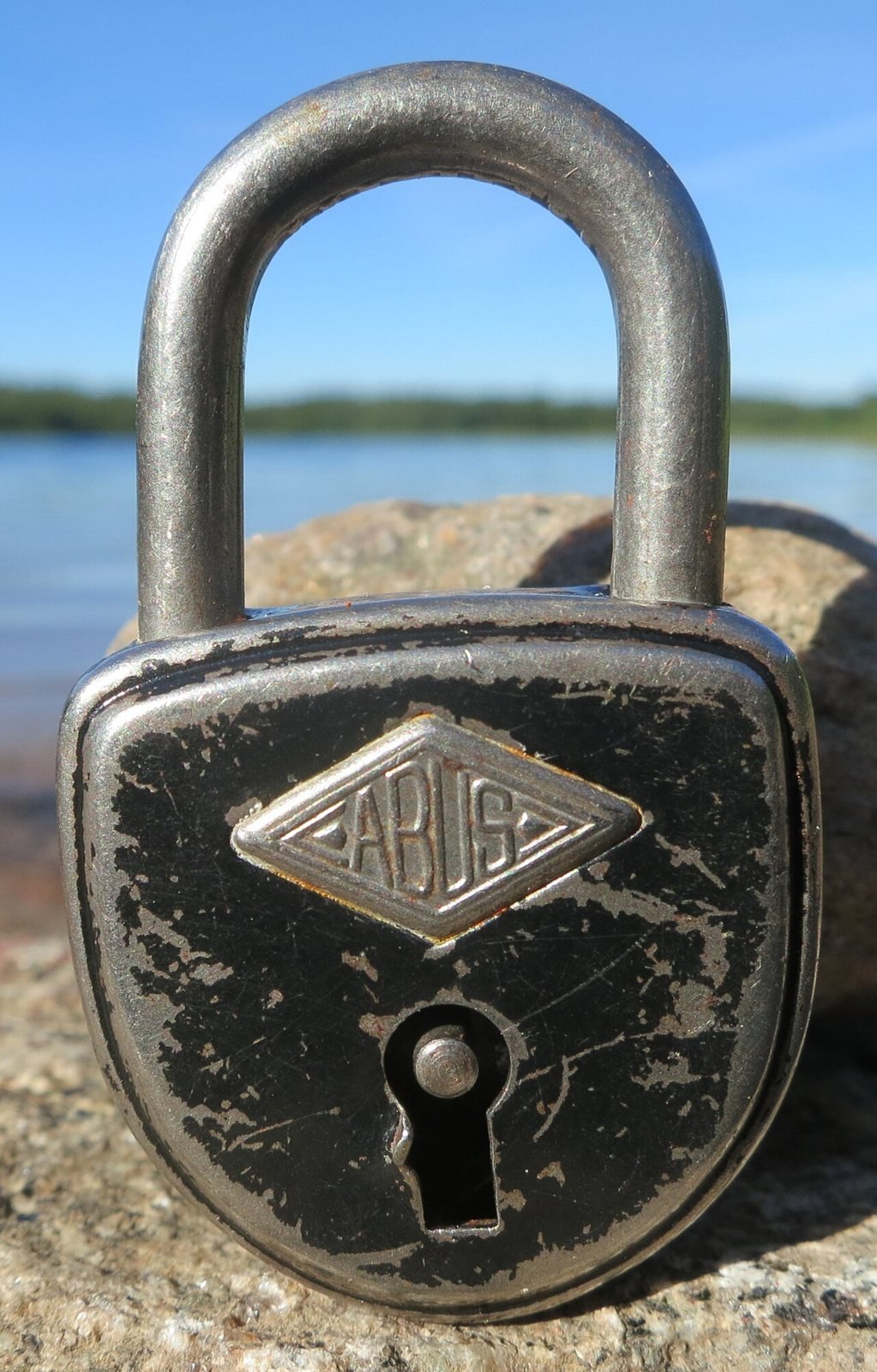
Flip over an outdoor padlock and you'll usually find a tiny hole in the bottom, next to the keyway. Most people assume it's a manufacturing leftover. It isn't, and if you've got a lock on a shed or a gate, that hole is probably the reason it still opens.
I like this kind of detail. Somebody at a factory once had a meeting about that hole. Here are six small features that are easy to miss, what each one does and how to get some use out of them.
The hole under a padlock
Moisture gets into outdoor locks, whatever the packaging promises. The small hole is a drain. Without it, rainwater and condensation would sit around the tumblers inside and eventually rust them, even on a lock with a plated body.
It has a second use. Moving parts seize up over time, and a small amount of lock lubricant through that hole can often free a stiff padlock. It's also an access point some locksmiths can use, depending on the design.
To get the most from it, hang outdoor padlocks with the hole facing down, so gravity can do its job. And don't let it get packed with dirt or paint. A quick blast of air or a soft brush keeps it clear if you've just repainted a gate. (A safety note if you're oiling one: keep lubricant sprays away from your eyes and any open flame, and follow the can's directions.)
The loose hook on a tape measure
The metal hook on the end of a tape measure rattles, and plenty of people assume that means it's broken. It's meant to do that.
The hook is riveted loosely so it can slide by exactly its own thickness. When you hook it over the end of a board, it pulls out, and the gap makes up for the metal in the way. When you butt it against a wall for an inside measurement, it pushes in, so the thickness of the hook gets counted. Either way, the reading starts at true zero.
The hack here is to leave it alone. Don't tighten those rivets, and don't bend the hook back into place with pliers, because that's the part that keeps your measurements honest. If the hook gets bent or the rivet holes wear out, buy a new tape. They're cheap, and you'd be surprised how long a slightly wrong one can quietly ruin a project.
The tabs on foil and plastic wrap boxes
Pull out a box of aluminum foil and look at the short ends. On many brands there's a small perforated tab on each side. Reynolds prints "Press Here to Lock Roll" right on the box.
Push the tab in and it pokes into the end of the cardboard tube, holding the roll in place. That stops the whole roll from jumping out of the box when you pull a sheet, which it always seems to do when your hands are full. Snopes looked into this one and rated it true, noting that many makers of foil and plastic wrap include the tabs and only some label them. If your box has them, using one takes about two seconds.
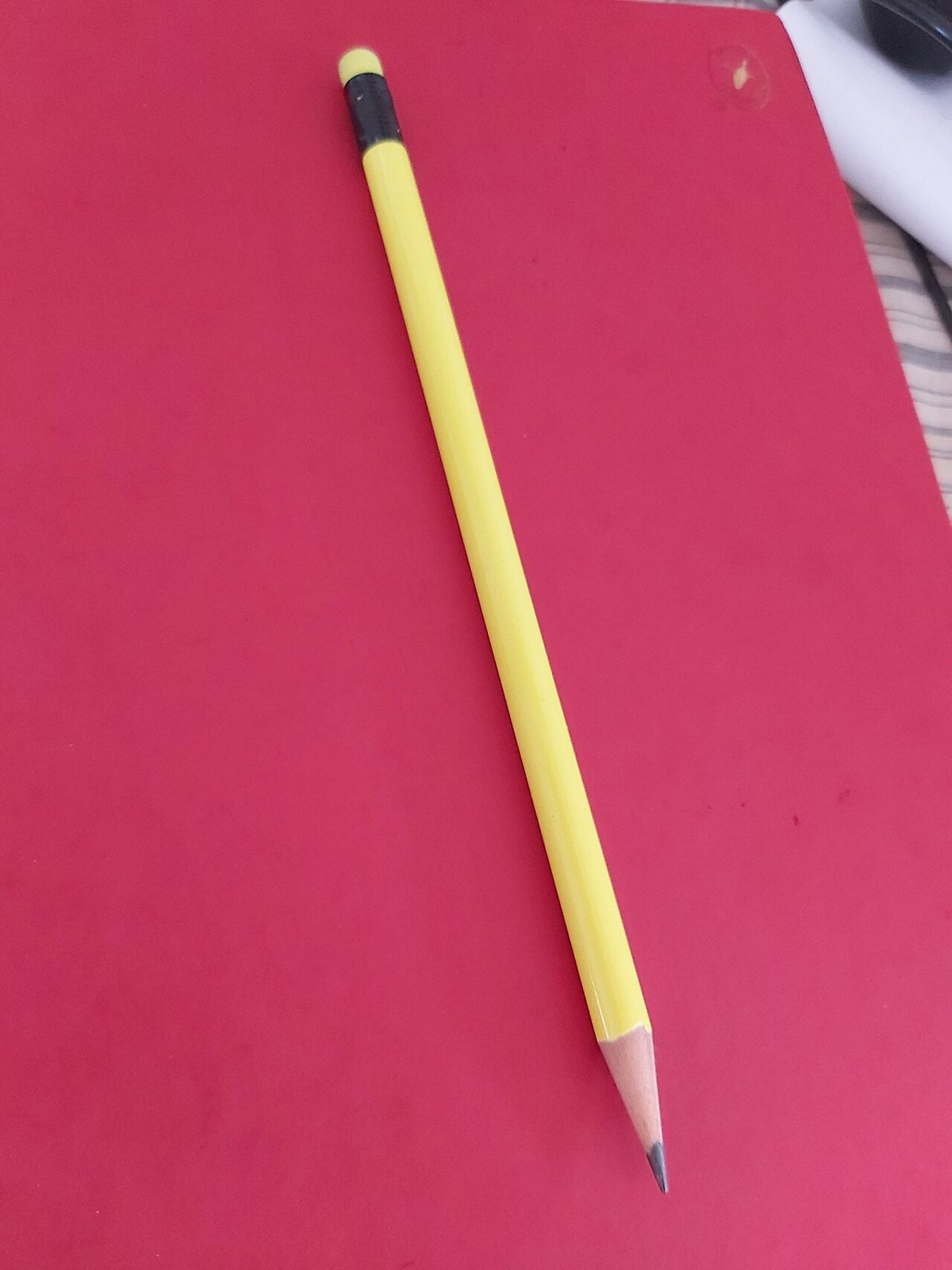
The hole in a pen cap
A lot of people will tell you the hole in a Bic cap stops the ink from drying out. The real reason is more serious. Bic says its caps comply with international safety standards meant to reduce the risk of children inhaling them, and vented caps such as the one on the Cristal have that hole to meet those standards. The point is to keep some air flowing if a cap gets stuck in someone's airway.
It doesn't make a pen cap safe to chew on, and it's no substitute for keeping small parts away from small children. It's just a nice example of a design change that exists entirely for the worst day anyone hopes never to have.
The arrow on your fuel gauge
This is the one you'll use most. On most modern cars there's a tiny triangle or arrow next to the fuel pump icon on the gauge, and it points to the side of the car with the fuel door.
If you've ever pulled up to a pump in a rental car at night and had to guess, this is the answer. It's small and it's usually right there on the dash. Check yours next time you're parked. Older cars may not have it, and the pump icon itself doesn't tell you anything, because the hose on the picture can be drawn on either side. Trust the arrow.
The pinhole in an airplane window
Next time you're in a window seat, look past the plastic pane nearest you to the one behind it, down toward the bottom. There's a very small hole there, usually called a bleed hole.
Aircraft windows have multiple panes. The outer one takes the pressure difference between the cabin and the thin air outside. The hole in the middle pane balances the pressure in the gap, so that the outer pane carries the load as designed, and it also lets moisture move out, which helps stop the window from fogging or frosting over.
There's nothing to do with this one except feel a little better about it on your next flight. It's one more part that somebody thought hard about so that you wouldn't have to.
How to spot the next one
Once you start looking, these things turn up all over the house. My rule of thumb is that a hole, a notch or a bit of wobble on a mass-produced object is almost never an accident, because manufacturers don't add steps for fun. Before you "fix" something that looks loose or odd, take a minute to search what it's for. It may be doing its job.
See more of us on GoogleAdd Hacks Detective as a preferred source and our stories can show up more often for you in Top Stories.