Photo: MrBeastRapper, CC BY-SA 4.0, via Wikimedia Commons
Every winter in my family the same argument comes back. Someone turns the heat down before bed, and someone else says that's pointless because the furnace will just burn the savings back in the morning, warming the house up again.
It's a reasonable thing to wonder. It also happens to be mostly wrong, and the reason why is simple enough that you can explain it at the dinner table and actually win.
The short version: for most homes, turning the thermostat down for a long stretch, overnight or while everyone is out, does lower your heating bill. There are a couple of exceptions worth knowing about, and some practical limits on how low to go.
Why a cooler house loses less heat
Your house is always leaking heat to the outdoors through walls, windows, the roof and every small gap. How fast it leaks depends mainly on the difference between the inside and outside temperatures. The bigger the gap, the faster heat escapes.
So when you let the house cool down at night, it loses heat more slowly for all those hours. Yes, the heating has to make up the difference in the morning. But the heat it puts back is less than the heat you would have lost by keeping the house warm all night. The furnace isn't "working harder" in any way that costs extra. It's running for a while to replace heat, the same as it always does, just on a smaller total.
It works on the same logic as shutting the door to a spare room you never use. Less warm air to keep topped up means less fuel.
The numbers the government uses
The U.S. Department of Energy's Energy Saver guidance says you can save as much as 10% a year on heating and cooling by turning the thermostat back 7 to 10 degrees Fahrenheit for 8 hours a day from its normal setting. Treat that as an upper estimate. Your real savings depend on your climate, your insulation and how much you were heating to begin with.
The longer and colder the setback, the more it saves. A setback while you sleep and another while the house is empty during the workday add up faster than either on its own. Homes in colder climates tend to see bigger savings in dollars, simply because they spend more on heat.
How to set it up without freezing
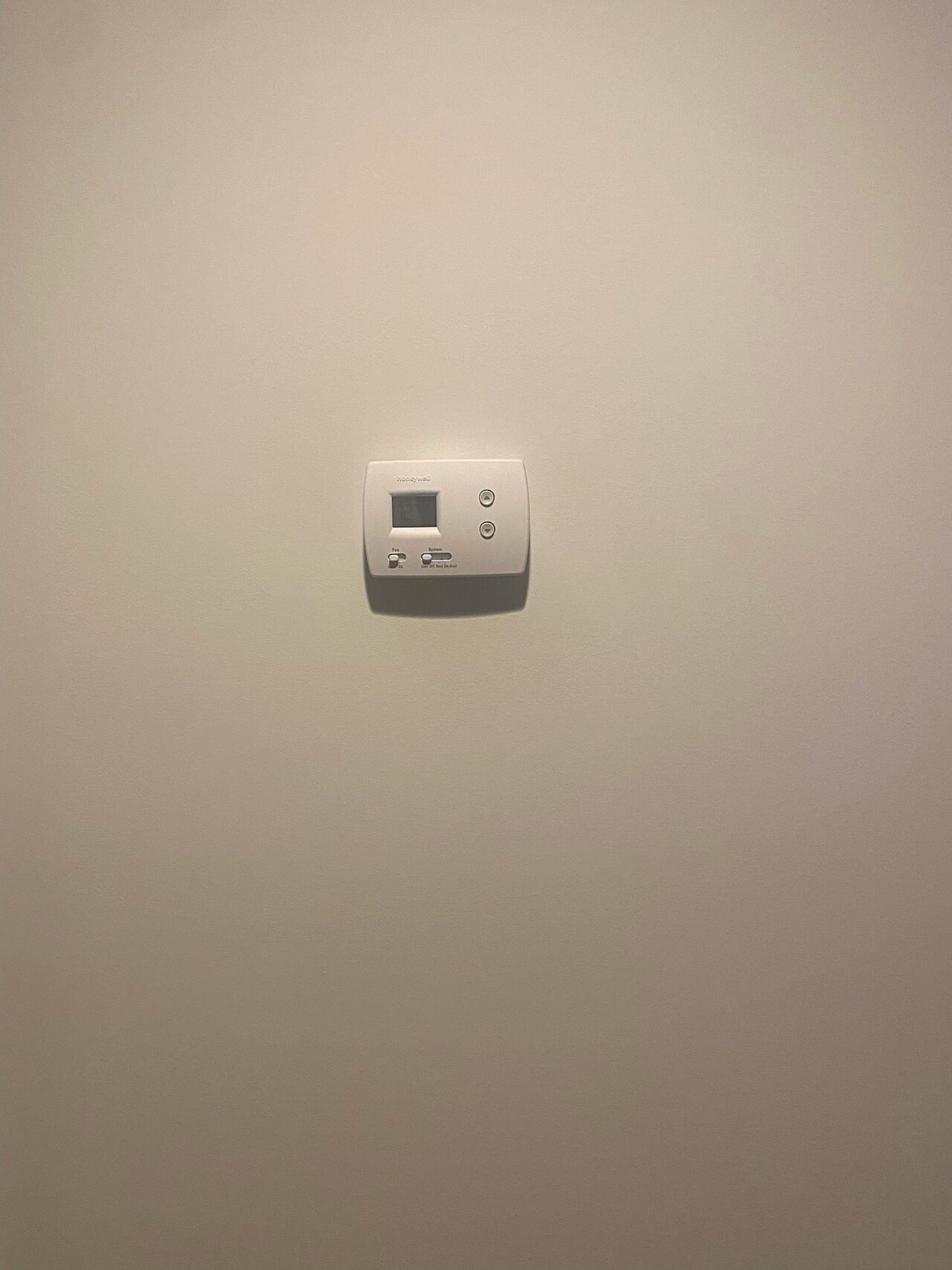
You don't need a fancy smart thermostat for this. A basic programmable model can handle a nightly schedule. Set the lower temperature to start about the time you go to bed, and schedule the heat to come back on a little before you get up, so the house is warm when you're out of bed rather than an hour later.
If you don't have a programmable thermostat, even turning the dial down by hand every night works, if you're the type to remember. (I'm not, which is why I gave in and programmed mine.)
Pile on an extra blanket rather than dropping the setback, if you find you're cold. A heavier duvet costs a lot less than a winter of heating an empty living room.
When to be careful: heat pumps and slow systems
Heat pumps are the main exception. Many have backup electric resistance heating that kicks in when the system is asked to raise the temperature quickly, and that backup is much more expensive to run. A big overnight setback can trigger it every morning. If you have a heat pump, use a smaller setback, or a thermostat designed for heat pumps that brings the temperature up gradually. Your installer or the system's manual should tell you what it handles well.
Radiant floor heating responds slowly, so big swings can leave you waiting hours for warmth. Smaller setbacks usually work better there too.
A safety floor for very cold weather
Don't let a setback, or a holiday away from home, drop the house so low that water pipes are at risk. The American Red Cross recommends keeping the thermostat no lower than 55 degrees Fahrenheit if you'll be away during cold weather. Pipes in exterior walls, crawlspaces and unheated garages freeze first.
Also think about who is in the house. Babies, older relatives and anyone who feels the cold badly may need a warmer bedroom than you do, and that matters more than a few dollars.
Small extras that stack with a setback
Close curtains and blinds at night to cut heat loss through the glass, and open them on sunny days to let free warmth in. Seal the worst drafts around doors and windows. Run ceiling fans on low in winter mode, if you have them, to push warm air back down from the ceiling. None of these is dramatic alone, but together with a nightly setback they're about as cheap as heating savings get.
See more of us on GoogleAdd Hacks Detective as a preferred source and our stories can show up more often for you in Top Stories.