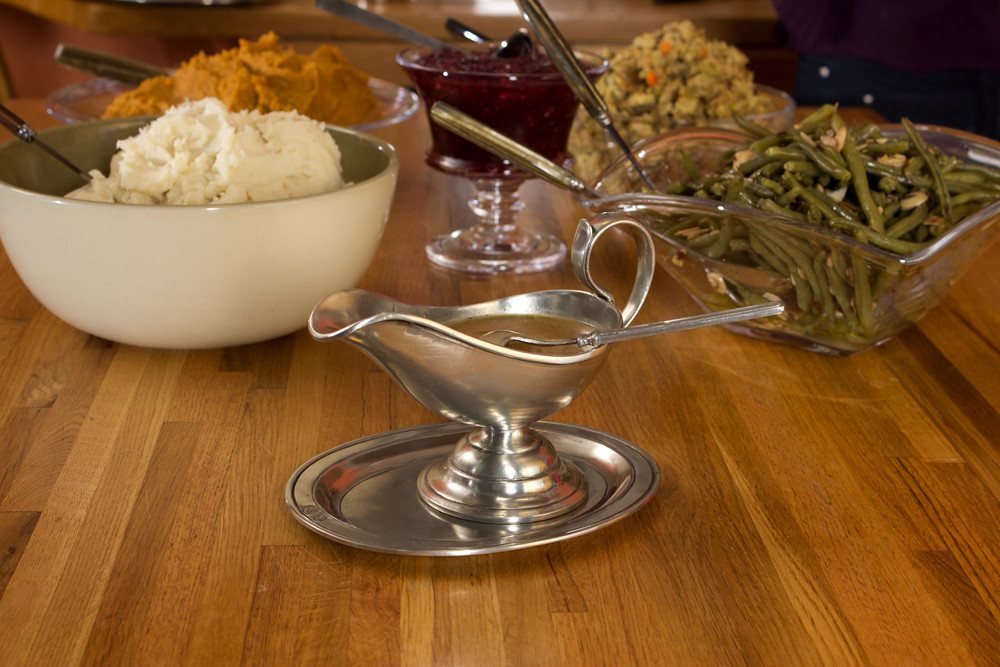
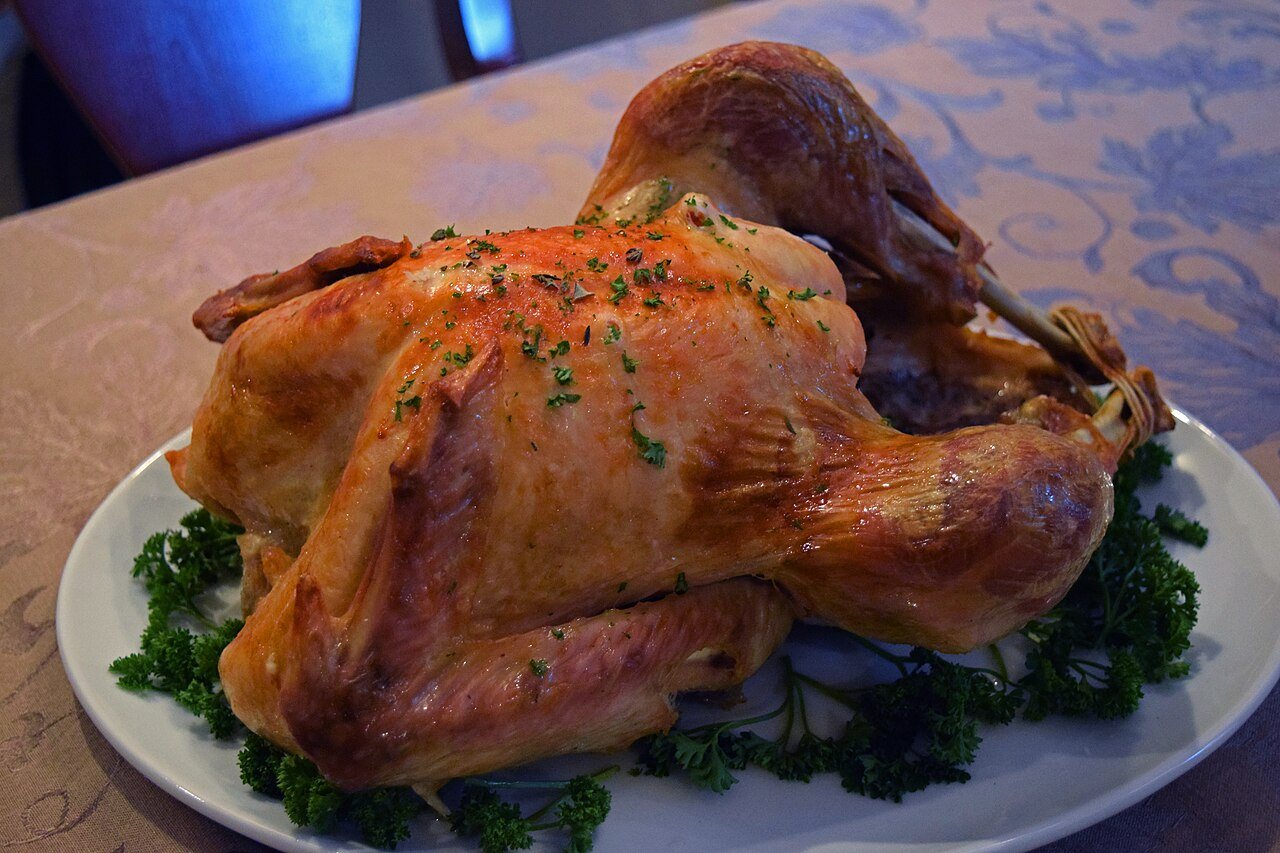
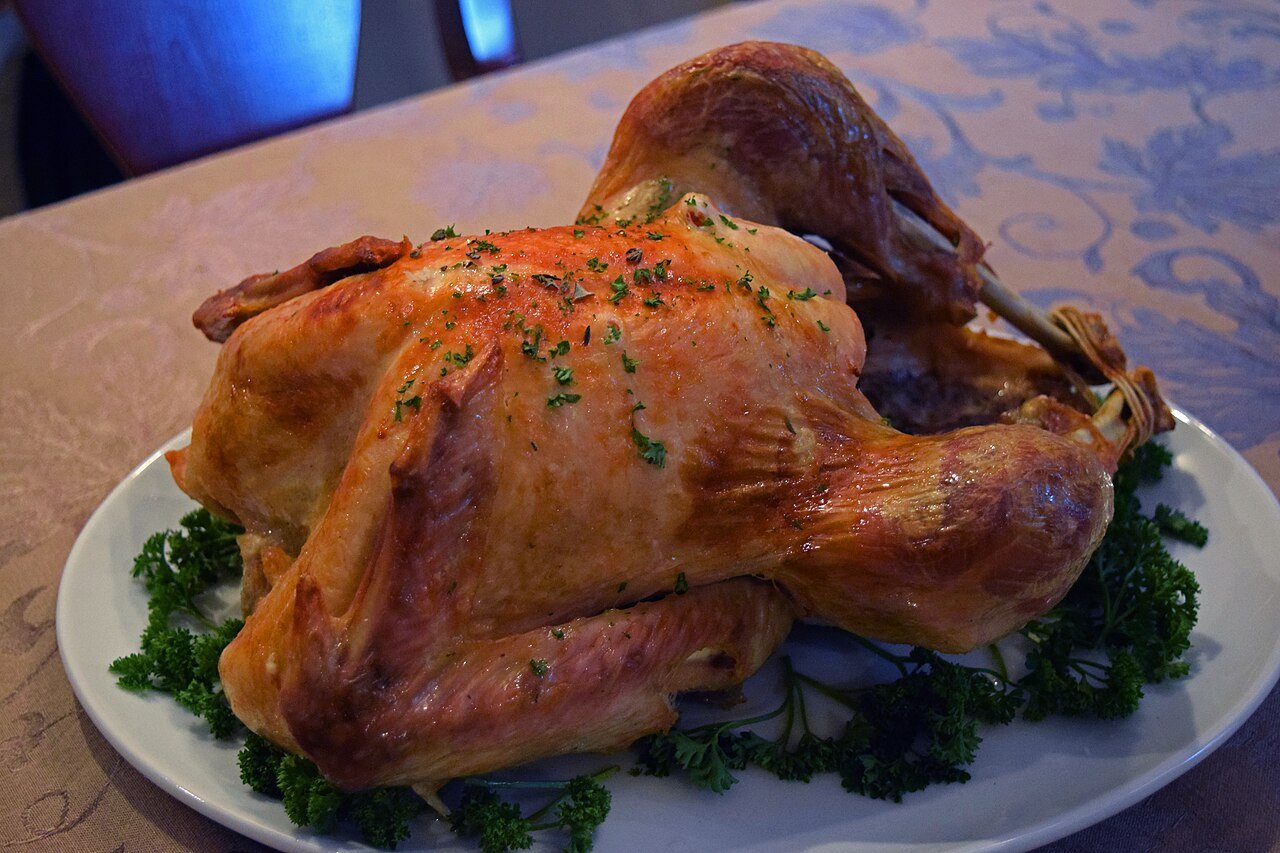
Gravy is the last thing made on Thanksgiving and the first thing people notice when it goes wrong. The turkey is resting, the potatoes are getting cold, everyone is hovering, and somebody tips a spoonful of flour into the hot pan juices and gets a pan of little dumplings.
The good news is that lumps aren't bad luck. They have one cause, and once you know what it is, you can avoid them almost every time, or fix them in a couple of minutes when they happen anyway.
I've made gravy badly more times than I'd like to count, so this is what has worked for me, and the reasons it works.
Why flour clumps in hot liquid
Flour and cornstarch thicken liquid because their starch granules swell and soak up water when they're heated. That's the whole trick, and it's also the problem.
If you drop a spoonful of dry flour into hot stock, the outside of the clump swells and turns gluey almost instantly. That gluey layer seals off the dry flour inside, which never gets wet. Whisking only breaks the clumps into smaller clumps. What you need is to separate every bit of starch before it meets the heat, either with fat or with cold liquid.
Method one: the roux
A roux coats the flour in fat first. Each little particle gets a film of fat around it, so when the liquid goes in, the grains spread out instead of sticking together.
Pour the pan drippings into a fat separator or a heatproof jug and let the fat rise to the top. Spoon some of that fat back into the roasting pan or a saucepan over medium heat, then stir in roughly the same amount of flour. Cook it, stirring, for two or three minutes, until it smells a little toasty rather than raw. Then add warm stock or the defatted drippings a ladle at a time, whisking well after each one, until it's as thick as you want.
As a rough guide, many cooks use about 2 tablespoons each of fat and flour per cup of liquid for a medium gravy. Gravy thickens as it simmers and again as it cools on the plate, so stop a little before it looks perfect.
Method two: the cold slurry
A slurry does the same job with cold water instead of fat. Mix the starch into a small amount of cold water or cold stock until it's completely smooth, then whisk it into the simmering liquid. Cold water doesn't activate the starch, so the grains spread out before they start to swell.
Cornstarch is the usual choice here. It has roughly twice the thickening power of flour, gives a glossier, clearer gravy, and needs to come up to a simmer to thicken properly. It doesn't like being boiled hard for a long time, though, and can thin out again if you overdo it. Flour works in a slurry as well (some people shake it with cold water in a sealed jar), but simmer it for a few minutes after it goes in so it loses that raw, pasty taste.
There's also a third option I keep on the shelf in November: instant flour, sold in the US as Wondra. It's been precooked and dried so it dissolves into hot liquid without clumping. It's not essential, but it is a handy insurance policy.
Four fixes when it goes wrong anyway
If you have lumps, first try a hard whisk off the heat for 30 seconds. Small lumps often give in. If they don't, pour the gravy through a fine-mesh sieve into a clean pan and press the lumps through with the back of a spoon. Or use an immersion blender right in the pan. Keep the blade fully under the surface so you don't spray hot gravy around the kitchen.
If it's too thin, simmer it a bit longer so it reduces, or whisk in a small slurry and bring it back to a simmer. Add thickener a little at a time, because it's easy to overshoot.
If it's too thick, whisk in warm stock, a splash at a time. This is the easiest fix there is, and it's a good reason to keep a pot of stock warming on the back of the stove.
If it's greasy, with a slick of fat floating on top, let it sit for a minute, then skim the fat off with a wide spoon. A fat separator for the drippings is the best way to stop this from happening in the first place.
A short safety note
Hot gravy, hot fat and a crowded kitchen are a risky combination. Use oven gloves when you tip a roasting pan, and pour away from yourself. If you use a countertop blender instead of a stick blender, don't fill it more than about a third with hot liquid, and leave the lid's center cap off with a folded towel held over the hole so steam can escape. Hot liquid in a sealed blender can blow the lid off.
What I do on the day
I make a roux-based gravy ahead with stock and a few roasted chicken wings or turkey parts, sometime earlier in the week, and keep it in the fridge. On Thanksgiving I warm it up and whisk in the defatted drippings from the turkey right before serving. It takes the pressure off the last ten minutes, and the drippings still bring all the flavor.
If you're going to make it fresh, have three things ready before the bird comes out: warm stock, a whisk and a sieve. You may never need the sieve. It's just much less stressful knowing it's there.
See more of us on GoogleAdd Hacks Detective as a preferred source and our stories can show up more often for you in Top Stories.