Photo: George Chernilevsky, public domain, via Wikimedia Commons
Every year I watch the same thing happen. A pumpkin gets bought, carved, admired for a week on the doorstep and then dropped in the bin on November 1st. You paid for several pounds of perfectly good food, and the only part anybody used was the skin.
Food waste charities in the UK and US have been nagging about this for years, and they have a point. Pumpkins are cheap in October, but cheap isn't the same as free, and most of what you're buying is edible.
So this is the guide I wish I'd had the first time I stood over a bowl of pumpkin guts wondering what to do with them. It covers which parts are worth eating and how to make the thing last.
Carving pumpkins versus cooking pumpkins
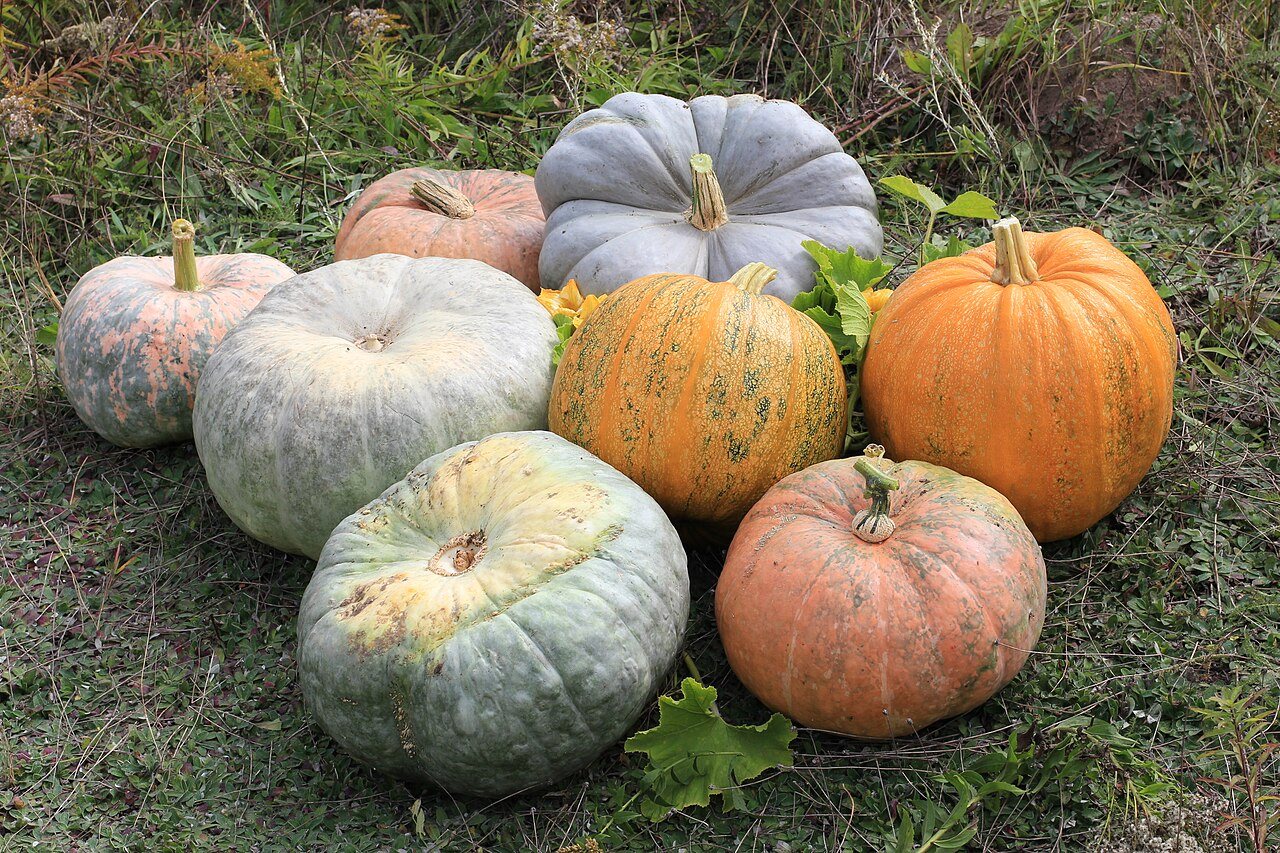
A quick reality check first. The big orange pumpkins sold for carving are bred to be large, round and easy to hollow out. They are edible, but their flesh tends to be watery and fairly bland compared with the smaller "sugar" or "pie" pumpkins and other winter squash.
That doesn't make them useless. Carving-pumpkin flesh is fine in soup, curry, stew or anything where it's blended with stronger flavours. It's less good as the star of a pie, where a dedicated baking pumpkin or a can of purée will do a better job. (A carving-pumpkin pie is possible. I just wouldn't serve one to guests.)
If you want one pumpkin to do both jobs, buy the carving pumpkin for the doorstep and a small sugar pumpkin or a butternut squash for the kitchen. It's an extra purchase, but you'll actually eat what you bought.
Cook the flesh on carving day, not after
This is the safety bit, and it matters. Use the flesh you scoop out while you're carving, on the same day, or refrigerate it straight away. Don't eat a jack-o'-lantern that has been sitting outside with its insides exposed for days. Cut pumpkin left at room temperature is a good home for mould and bacteria, and a lit candle inside warms it up nicely for them.
The scooped flesh keeps in the fridge for a few days. To freeze it, roast or steam the chunks until soft, mash or blend them, let the purée cool and freeze it in portions. Ice cube trays work well for small amounts you can drop into soups and sauces later.
A plain safety note, since this involves knives and a hot oven: carve on a stable surface with a sturdy knife or a proper carving tool, cut away from your hands, and keep children on the scooping and drawing jobs.
Roast the seeds
Pumpkin seeds are the easiest win here, and the part most often thrown away. Pull them out of the stringy pulp (a bowl of water helps, since the seeds tend to float and the strings sink), rinse them and dry them well on a clean tea towel.
Toss them with a little oil and salt, spread them in a single layer on a baking tray, and roast them at a moderate heat, around 160 to 180°C (325 to 350°F), stirring now and then until they're golden and crisp. Timings vary a lot with size and how dry they were, so start checking after 10 minutes. They burn quickly once they're close.
After that you can season them however you like. Smoked paprika is my pick, but cinnamon and sugar has its fans.
Make an uncarved pumpkin last for months
If you just want a pumpkin for decoration, don't carve it. A whole pumpkin with its stem attached and no cuts or soft spots can keep for weeks and often a couple of months somewhere cool and dry, which is why squash was such a useful winter food long before refrigerators.
Wipe it clean, keep it off cold, damp ground (a doormat or a piece of cardboard helps), and bring it in if a hard frost is coming. Then, after Halloween, it goes straight into the kitchen instead of the bin. Check it now and then and use it promptly if any soft patches appear.
Painted or drawn-on pumpkins are fine to cook too, as long as you peel the skin off and the paint didn't soak through. Glitter and glue are a different matter, and I'd compost those ones instead.
When it can't be eaten, compost it
A carved pumpkin that's gone soft is still worth something in the garden. Remove any candles, wax, glitter or decorations, break it into smaller pieces so it rots down faster, and add it to your compost heap or food waste collection.
You'll sometimes see advice to leave old pumpkins out for wildlife. UK wildlife groups have warned against doing that for hedgehogs in particular, since pumpkin isn't a natural part of their diet. The compost heap is the safer option.
The cheapest pumpkin plan for this year
Here's the approach I'd suggest. Buy the carving pumpkin as late as you can, so it looks good on the night. Save the seeds and roast them the same day. Cook or freeze the scooped flesh within a day or so. If you have a decorative pumpkin you haven't carved, keep it whole and cook it in November.
None of this takes long, and it turns a decoration into a couple of meals and a snack. That's not going to transform anyone's finances, but it's satisfying to get the full value out of something you were going to buy anyway.